
5.1 URL Length
5.1.1 The length of the URL used in the QR Code affects the complexity of the QR Code image. The simpler the QR Code image - the more reliable the scan will be in adverse conditions and/or where the image is degraded through a dirty protective screen etc.
5.1.2 Where information is stop specific - for consistency with other information, the URL used should reference either the ATCOCode or NaPTANCode (preferred) for the bus stop, as this is likely to be visible elsewhere at the bus stop and can provide a useful anti-counterfeit check.
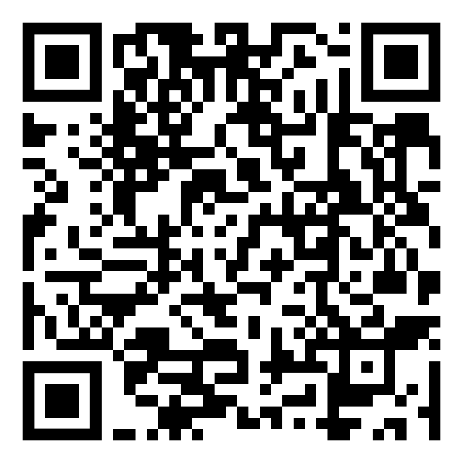
5.1.3 The URL https://bus.gov.uk/stop/1234 results in a QR Code of:

5.1.4 A URL of https://localauthorityname.bus.gov.uk/stopinformation/1234567891011 results in:
5.2 Mobile Friendly
5.2.1 The QR Code should lead to accessible mobile friendly pages - as it is reasonable to assume that most users will be using a mobile phone to scan the code.
5.3 Control of URLs
5.3.1 Consideration needs to be given to the longevity of the QR Code URL; supplier changes will often result in changes to domains and URLs used to access information; thereby resulting in deadlinks or error messages. Whenever URLs change, a process needs to be put in place to ensure all QR Codes at stops and elsewhere are replaced in a timely manner.
5.3.2 Consider the ownership of the domain and URL structure. If it is owned by an authority or operator, then the change process for QR Codes can be easier to control. The use of dynamic URLs will help with migration (https://bus.gov.uk/stop?id=1234 rather than a static https://bus.gov.uk/stop/1234), but is at the expense of ease of manual typing.